
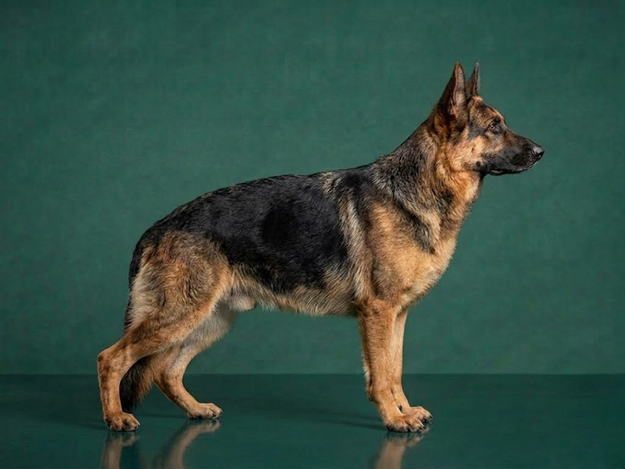
Dog Breed Info & Overview
Breed History
The German Shepherd Dog developed in Germany, where people valued dogs that could handle local work, climate, and daily life. Its background as a world-famous German working dog bred for herding and service still shapes how it thinks and behaves. Understanding that history helps owners respect the breed’s instincts instead of treating them as random habits.
Characteristics
Key traits of the German Shepherd Dog include its medium double coat, high energy, and loyal, intelligent, courageous, versatile nature. This is a breed with a clear identity, whether it leans toward work, sport, guarding, hunting, or companionship. Consistent care helps those strengths become enjoyable instead of difficult.
Temperament
With trusted people, the German Shepherd Dog can show loyalty and charm in ways that match its breed history. Some individuals are outgoing, while others are more watchful or independent. Socialization, daily handling, and fair training help turn natural instincts into safe, predictable behavior.
Personality
The German Shepherd Dog often brings a memorable personality to the home. It may be playful, steady, watchful, comic, or focused depending on its type and upbringing. Most individuals do best when they feel included in daily life and receive attention that suits their energy and confidence.
Physical Characteristics
Physically, the German Shepherd Dog reflects function as much as beauty. Its medium double coat needs suitable maintenance, while its size and structure affect exercise choices. Keeping the dog fit, clean, and comfortable is essential, especially as age, activity, and weather place different demands on the body.
Health Issues
Like all breeds, the German Shepherd Dog can face inherited or lifestyle-related health concerns. Good care means keeping the dog lean, using safe exercise, maintaining grooming, and visiting the vet regularly. Early attention to small changes often prevents discomfort from becoming a larger problem.
Right For You?
The German Shepherd Dog is right for owners who can meet its true needs rather than only admire its appearance. It may suit active families, working roles, experienced owners, especially when training and care are consistent. It is not ideal for homes unwilling to plan around exercise, grooming, safety, or socialization.
Frequently Asked Questions
Q1. Is the German Shepherd Dog a good family dog for homes that can meet its training and daily care needs?
Ans. Yes, the German Shepherd Dog can fit family life when expectations are realistic. It needs respectful handling, early socialization, and a routine that matches its energy and temperament. Homes suited to active families, working roles, experienced owners usually have the best results, especially when children learn calm interaction.
Q2. Does the German Shepherd Dog need mental work as well as physical exercise to prevent boredom?
Ans. Yes. The German Shepherd Dog benefits from tasks that make it think, not only long walks. Obedience, herding-style games, fetch rules, scent work, agility, or trick training can channel energy. Without mental outlets, the dog may bark, chase, nip, pace, or invent unwanted jobs.
Q3. How much grooming does the German Shepherd Dog need to keep its coat, skin, ears, and nails healthy?
Ans. Grooming for the German Shepherd Dog depends on its medium double coat, but a steady routine is always helpful. Brush as needed, check ears, trim nails, clean teeth, and inspect skin after outdoor activity. Breeds with heavier, curly, wiry, or long coats may need professional help.
Q4. Is the German Shepherd Dog easy to train for owners who want a polite and reliable companion?
Ans. The German Shepherd Dog can learn well when training is consistent and fair. Use rewards, short sessions, clear rules, and early socialization. Some individuals may be independent, sensitive, or highly driven, so owners should adapt lessons to the dog instead of relying on force.
Q5. What health problems should German Shepherd Dog owners watch for from puppyhood through senior age?
Ans. Owners should monitor the German Shepherd Dog for changes in weight, movement, appetite, skin, ears, eyes, teeth, and energy. Breed risks vary, but joint issues, allergies, eye disease, ear infections, or digestive concerns may appear. Routine vet care and responsible breeding help.